10 Common Trucking Safety Myths Debunked by Experts


When it comes to trucking safety, there's no shortage of myths and misconceptions. These myths can lead to misunderstandings about the industry and potentially compromise safety standards. In this blog post, we’ll debunk ten common trucking safety myths with insights from industry experts.
Myth 1: Bigger Trucks Mean More Danger
Many people assume that larger trucks are inherently more dangerous on the roads. However, experts highlight that safety is more about the driver’s skill and adherence to regulations than the size of the vehicle. Well-trained drivers operating under strict safety guidelines can mitigate risks effectively.
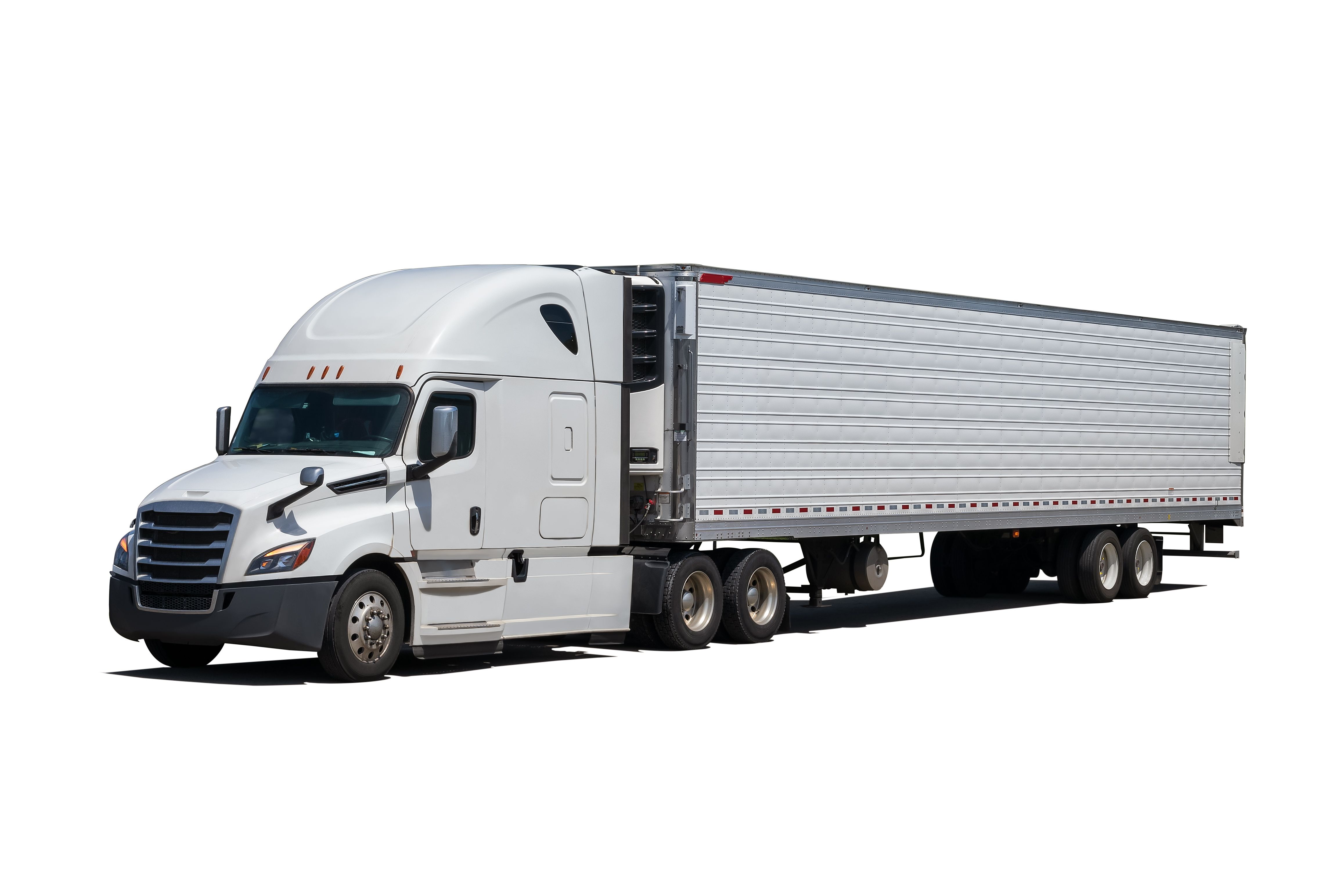
Driver Training and Regulation
Comprehensive driver training programs and stringent regulations ensure that all truck sizes maintain safety standards. When drivers are properly trained, the size of the truck becomes less of a factor in road safety.
Myth 2: Truckers Are Always Sleep-Deprived
Another common myth is that truckers are constantly battling fatigue due to long hours on the road. While fatigue is a concern, federal regulations strictly limit driving hours and mandate rest periods to ensure drivers are well-rested.

Hours of Service Regulations
These regulations are designed to prevent fatigue-related accidents. By limiting the number of hours a driver can be on the road, these rules help keep both truckers and other road users safe.
Myth 3: All Trucking Companies Skimp on Maintenance
It’s a misconception that trucking companies cut corners on vehicle maintenance to save money. In reality, neglecting maintenance can lead to costly breakdowns and accidents, making it counterproductive for companies to ignore upkeep.
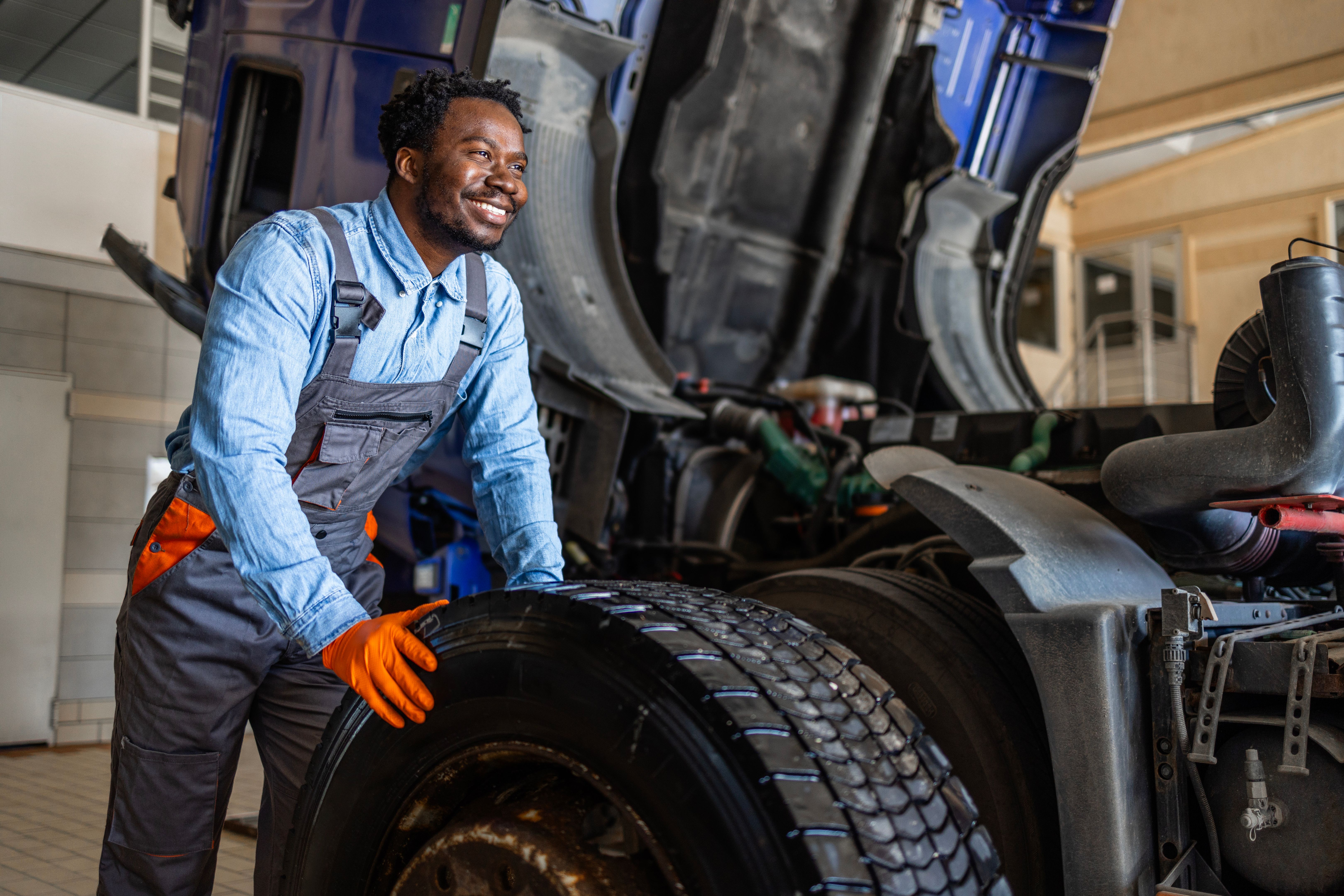
Regular Inspections and Maintenance
Reputable companies follow a strict schedule of inspections and maintenance checks to ensure their fleets are always roadworthy. This not only enhances safety but also improves the efficiency of their operations.
Myth 4: Technology Is Replacing Human Drivers
With advancements in autonomous vehicle technology, there’s a belief that human drivers will soon be obsolete. However, experts agree that while technology can aid drivers, the human element is irreplaceable for ensuring safety and making complex decisions.
Technology as an Aid
Tools like advanced driver-assistance systems (ADAS) support drivers by offering features like collision avoidance and lane-keeping assistance, enhancing safety rather than replacing human judgment.
Myth 5: Trucking Is a High-Risk Job
While trucking does involve certain risks, it’s not as dangerous as many believe. The industry is heavily regulated, and safety measures are continually updated to protect drivers.

Continuous Safety Improvements
Safety protocols, coupled with modern technology and training programs, significantly reduce the risks associated with trucking, making it a much safer profession than often perceived.
By addressing these myths, we can foster a better understanding of the trucking industry and its commitment to safety. Dispelling these misconceptions is essential for appreciating the efforts made to keep our roads safe and our supply chains moving smoothly.