Case Study: How Improved Safety Protocols Reduced Accidents


Introduction to Safety Protocols
In today's fast-paced industrial environments, ensuring worker safety is paramount. Companies are increasingly focusing on improving safety protocols to minimize workplace accidents. This case study delves into how one company successfully reduced accidents through enhanced safety measures.
The Challenge
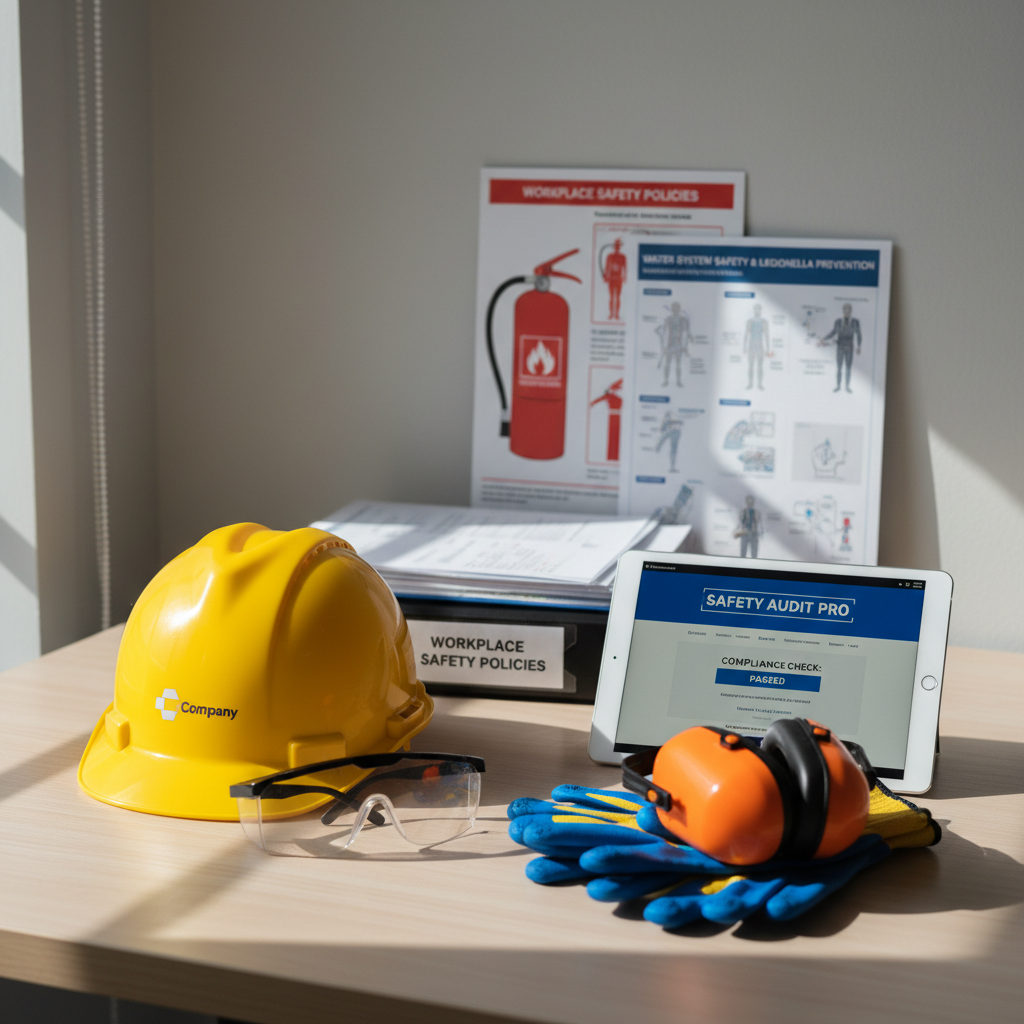
Before implementing new protocols, the company faced a significant challenge with frequent accidents. These incidents not only caused harm to employees but also led to increased downtime and financial losses. The company recognized the urgent need for a comprehensive safety strategy.
Identifying Key Risk Areas
To address the issue, the company first conducted a thorough risk assessment. This process involved identifying key areas where accidents were most likely to occur. By analyzing past incident reports, they pinpointed specific tasks and equipment that posed the greatest risks.
Implementing New Protocols
Armed with insights from their assessment, the company introduced a series of improved safety protocols. These included:
- Enhanced Training Programs: Employees received comprehensive training focused on safety awareness and proper equipment handling.
- Regular Safety Audits: Frequent inspections ensured compliance with safety standards and identified potential hazards before they led to accidents.
- Updated Equipment: The company invested in modern, safer equipment, reducing the likelihood of malfunctions.
Employee Involvement
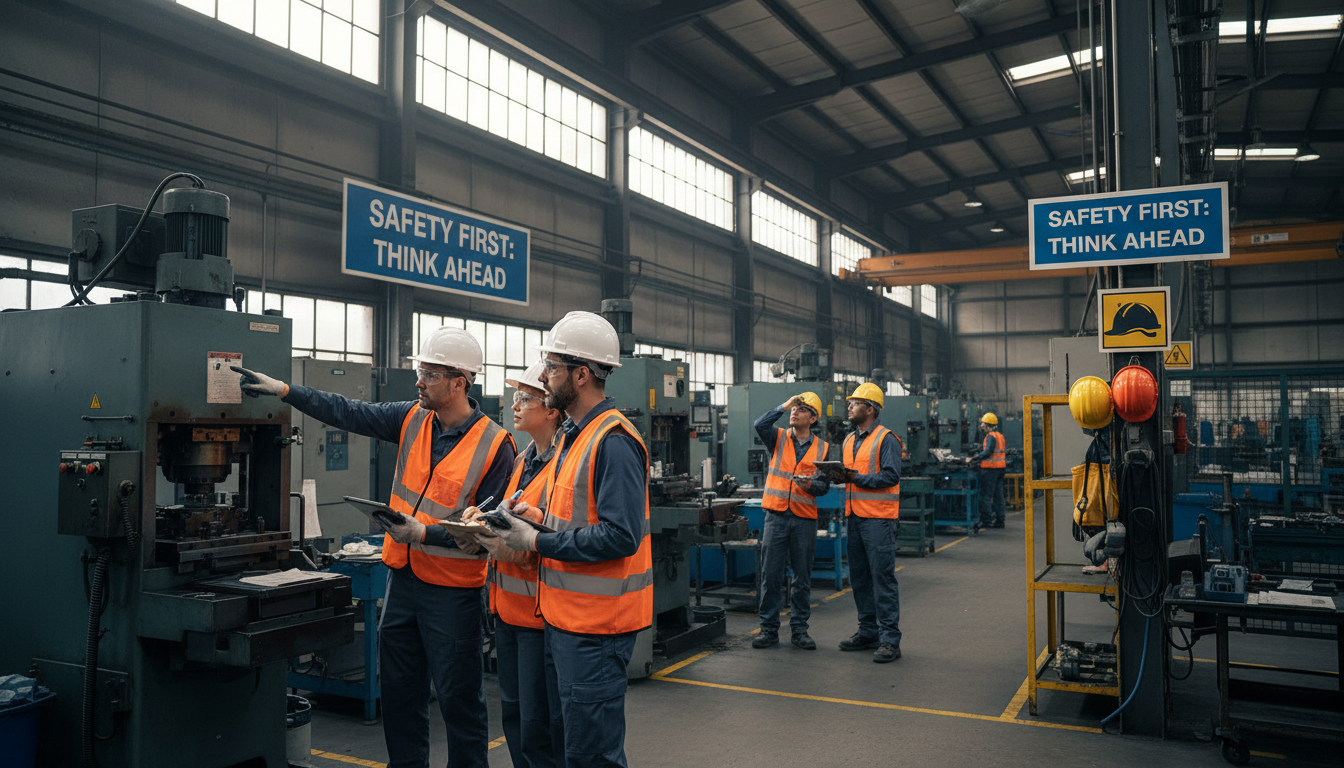
One of the critical elements of the new safety protocols was involving employees in the process. The company established safety committees comprising workers from various departments. These committees played a vital role in communicating safety practices and encouraging a culture of safety.
Results and Impact
The impact of the improved protocols was significant. Within the first year of implementation, the company saw a 40% reduction in workplace accidents. This decline not only improved employee morale but also enhanced productivity as fewer disruptions occurred due to accidents.

Long-term Benefits
Beyond the immediate reduction in accidents, the company experienced long-term benefits. Insurance premiums decreased due to a safer work environment, and the company’s reputation as a safe place to work attracted skilled employees.
Conclusion
This case study underscores the importance of proactive safety measures in reducing workplace accidents. By identifying risk areas, involving employees, and investing in training and equipment, companies can create a safer, more efficient work environment.