Comprehensive Guide to Trucking Safety Regulations in the United States


Trucking safety regulations in the United States play a critical role in ensuring the safety of drivers, passengers, and pedestrians. These regulations are enforced by several agencies, including the Federal Motor Carrier Safety Administration (FMCSA). This guide provides a comprehensive overview of these essential regulations.
Overview of Trucking Safety Regulations
The FMCSA establishes rules and guidelines to enhance the safety of commercial motor vehicles (CMVs). These regulations cover various aspects, including driver qualifications, vehicle maintenance, and hours of service. Complying with these rules is crucial for reducing accidents and ensuring the safe transport of goods.

Driver Qualifications and Training
To operate a commercial vehicle, drivers must meet specific qualifications. This includes holding a valid Commercial Driver's License (CDL) and undergoing appropriate training. The training ensures that drivers are well-versed in handling large vehicles and understanding the regulations that apply to them.
Moreover, drivers must pass a medical examination to confirm they are fit to drive. Regular checks and balances ensure that only qualified individuals are behind the wheel.
Hours of Service Regulations
One of the critical aspects of trucking safety is managing driver fatigue. The FMCSA's Hours of Service (HOS) regulations are designed to prevent accidents caused by tired drivers. These rules limit the number of hours a driver can operate a vehicle without taking a break.
- Drivers may drive a maximum of 11 hours after 10 consecutive hours off duty.
- The 14-hour window begins when a driver starts any kind of work.
- Drivers must take a 30-minute break after 8 cumulative hours of driving.

Vehicle Maintenance and Inspection
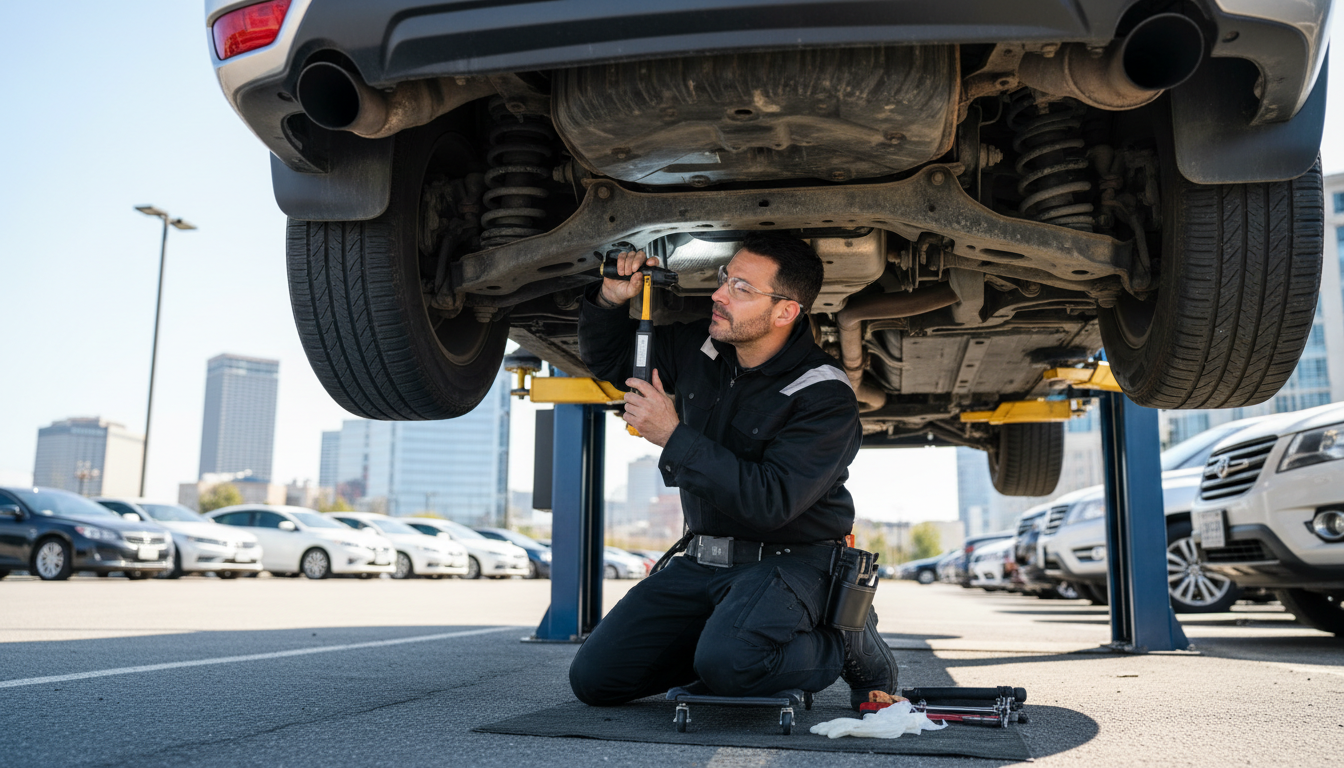
Regular maintenance and inspections are vital in preventing mechanical failures that could lead to accidents. Regulations require that CMVs undergo routine checks to ensure they meet safety standards. Any issues found during inspections must be addressed promptly.
Drivers are also responsible for conducting pre-trip and post-trip inspections to identify any potential safety hazards. This proactive approach helps maintain vehicle integrity and safety on the road.
Compliance and Enforcement
Compliance with trucking safety regulations is enforced through regular audits and inspections conducted by the FMCSA and other authorities. Violations can result in fines, penalties, or even suspension of operating licenses.
For trucking companies, maintaining compliance is not only about avoiding penalties but also about ensuring the overall safety and efficiency of their operations. By adhering to these regulations, companies contribute to safer roads and a more reliable transportation industry.
Conclusion
Understanding and complying with trucking safety regulations is essential for anyone involved in the industry. These rules are designed to protect drivers, cargo, and the public. By following the guidelines set forth by the FMCSA, trucking companies can help ensure the safe and efficient movement of goods across the country.