Expert Tips for Maintaining Compliance with US Trucking Regulations


Understanding Key Regulations
The US trucking industry operates under a complex set of regulations designed to ensure safety, efficiency, and environmental responsibility. Familiarizing yourself with these regulations is essential for maintaining compliance. The Federal Motor Carrier Safety Administration (FMCSA) provides guidelines that every trucking business must follow.
Key areas of focus include Hours of Service (HOS) regulations, vehicle maintenance standards, and driver qualification requirements. Staying updated with these rules is crucial, as non-compliance can lead to hefty fines and operational disruptions.
Hours of Service (HOS) Regulations
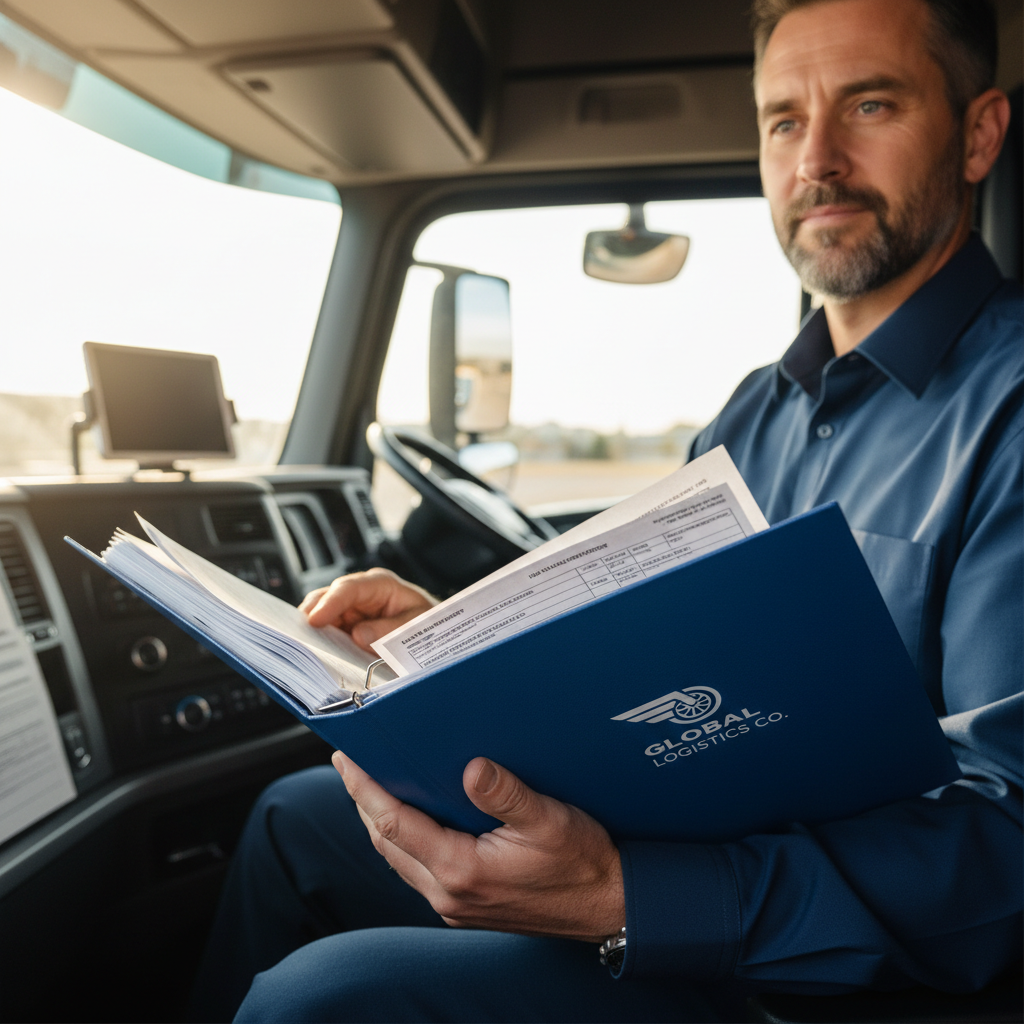
The HOS regulations are designed to prevent driver fatigue, which is a significant cause of accidents. These rules dictate how many hours a driver can be on the road and mandate rest periods. It's vital to use electronic logging devices (ELDs) to track driver hours accurately. Implementing a robust system to monitor and manage these logs can help avoid violations.
Ensure that your drivers are trained on the importance of adhering to HOS rules. Regular audits of logbooks can also help you identify potential issues before they lead to penalties.
Vehicle Maintenance and Safety
Regular vehicle inspections and maintenance are not just best practices—they are legal requirements. The FMCSA mandates that all commercial vehicles undergo routine checks to ensure they meet safety standards. This includes inspections of brakes, tires, lights, and emergency equipment.
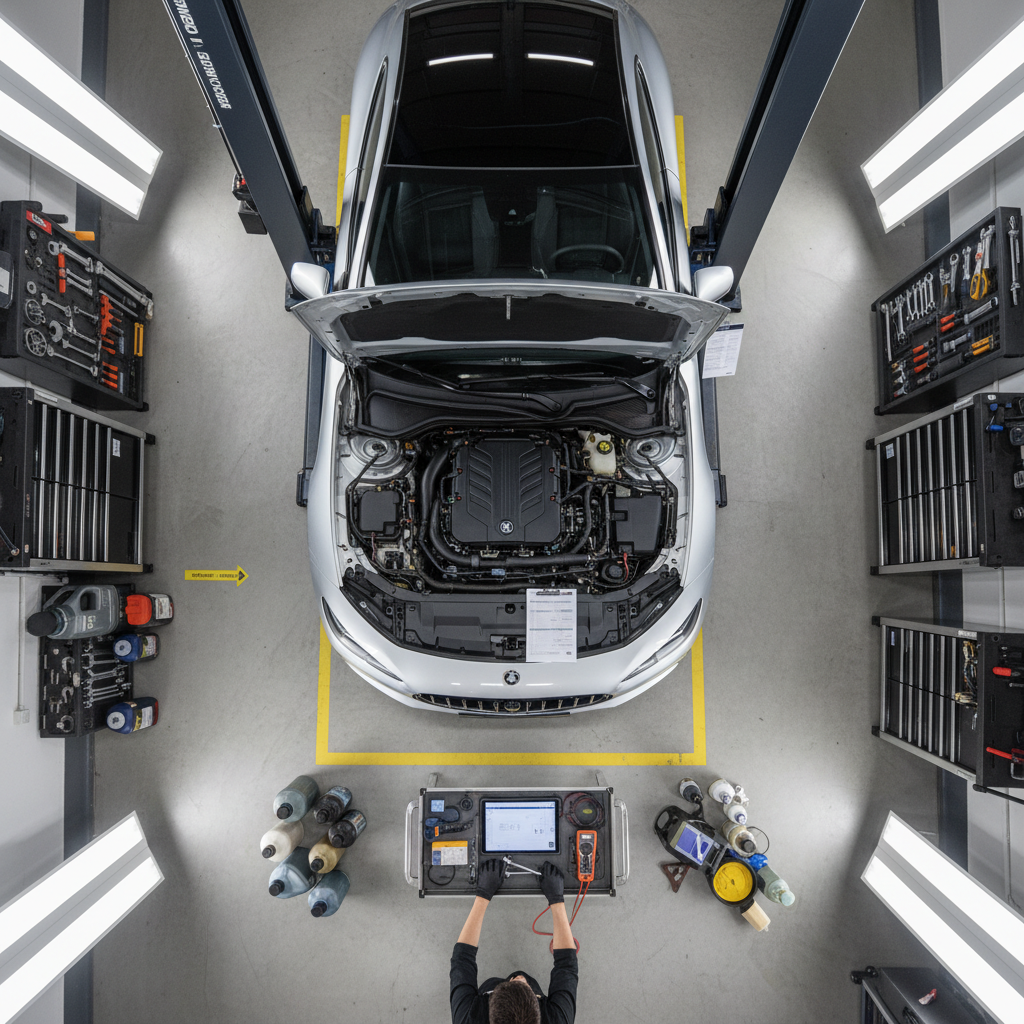
Developing a comprehensive maintenance schedule and sticking to it can prevent unexpected breakdowns and ensure compliance. Additionally, keeping detailed records of all inspections and repairs is essential for proof of compliance during audits.
Driver Qualification and Training
A well-trained driver is a compliant driver. The FMCSA requires that all commercial drivers have a valid Commercial Driver's License (CDL) and meet specific medical and physical standards. Regular training programs can keep drivers informed about the latest regulations and safety practices.
Implement a thorough hiring process to ensure all drivers meet the necessary qualifications. Continuous education and assessments can help maintain high standards and reduce the risk of violations.

Utilizing Technology for Compliance
Technology can be a powerful ally in maintaining compliance. GPS tracking, ELDs, and fleet management software provide real-time data that can help manage operations efficiently. These tools not only assist in staying compliant but also improve overall fleet productivity.
Investing in the right technology can streamline compliance processes, reducing the burden on administrative staff and allowing for more focus on strategic operations.
Preparing for Audits
Another critical aspect of maintaining compliance is preparing for audits. Regular internal reviews can help ensure that all records are in order and that practices align with regulations. Establishing a culture of compliance within your organization can make this process smoother.
Having a dedicated compliance officer or team can also be beneficial. They can manage documentation, conduct training sessions, and stay informed about changes in regulations.

By understanding and effectively managing US trucking regulations, businesses can not only avoid penalties but also enhance their reputation and operational efficiency. Staying proactive and informed is the key to navigating the complex world of trucking compliance successfully.