How Local Regulations Impact Trucking Safety in the United States


Understanding the Role of Local Regulations
Local regulations play a crucial role in shaping the landscape of trucking safety across the United States. These regulations are designed to ensure that trucking operations run smoothly while prioritizing the safety of drivers, passengers, and pedestrians. By adhering to these regulations, trucking companies can minimize accidents and improve overall road safety.
One of the primary ways local regulations impact trucking safety is through the enforcement of weight limits and vehicle dimensions. These limits are crucial in preventing road damage and ensuring that trucks can safely navigate through urban and rural areas. Overloading a truck not only increases the risk of accidents but also can lead to significant fines and penalties.
Driver Qualifications and Training
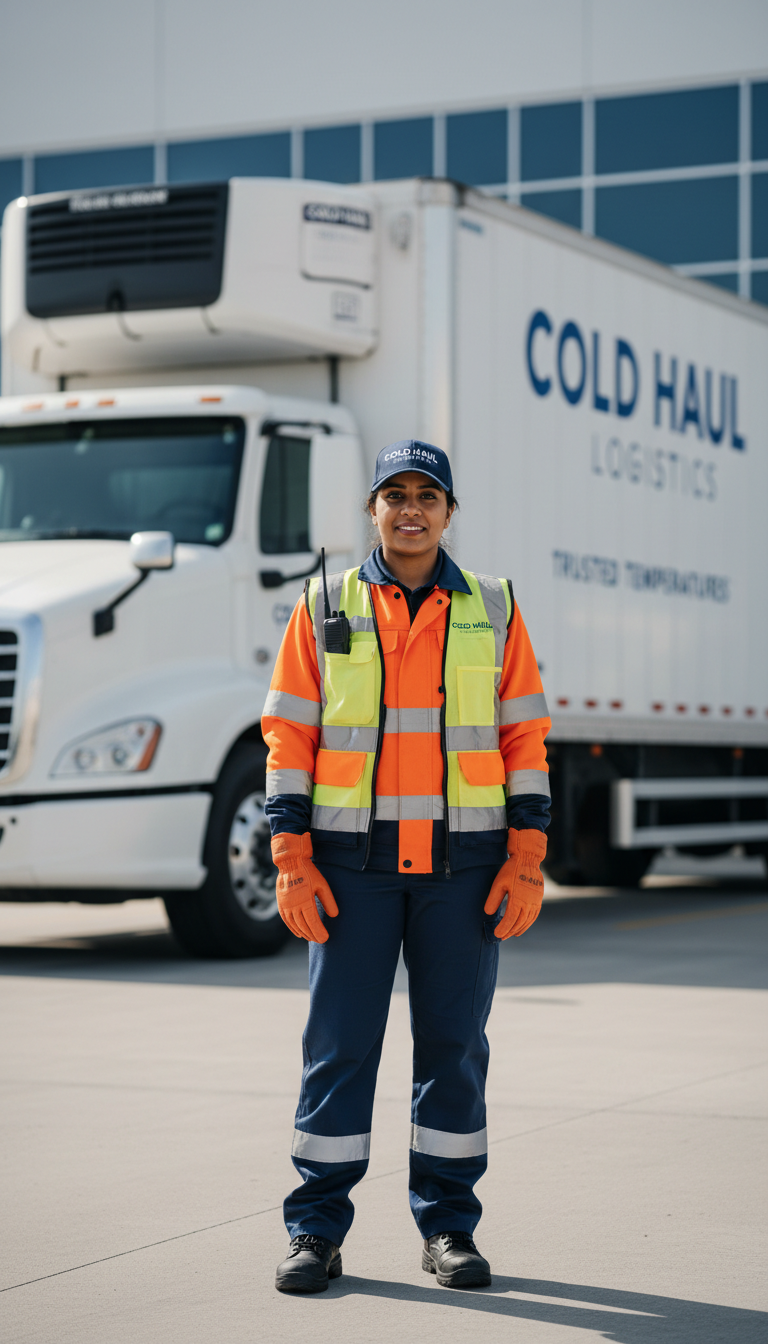
Another vital aspect of local regulations involves the qualifications and training required for truck drivers. States may have specific requirements for commercial driver's licenses (CDLs), which include background checks, medical examinations, and skills tests. Ensuring that drivers are well-trained and qualified is a key component in reducing the likelihood of accidents.
Continuous education and training programs are often mandated by local authorities to keep drivers updated on the latest safety practices and technologies. These programs emphasize defensive driving techniques, vehicle maintenance, and emergency response strategies.
Impact of Hours of Service Rules
Hours of Service (HOS) rules are another critical regulatory measure that affects trucking safety. These rules dictate the maximum number of hours a driver can work and require mandatory rest breaks to prevent fatigue-related accidents. While HOS regulations are federally mandated, states may have additional requirements to further enhance safety.
Infrastructure and Route Planning
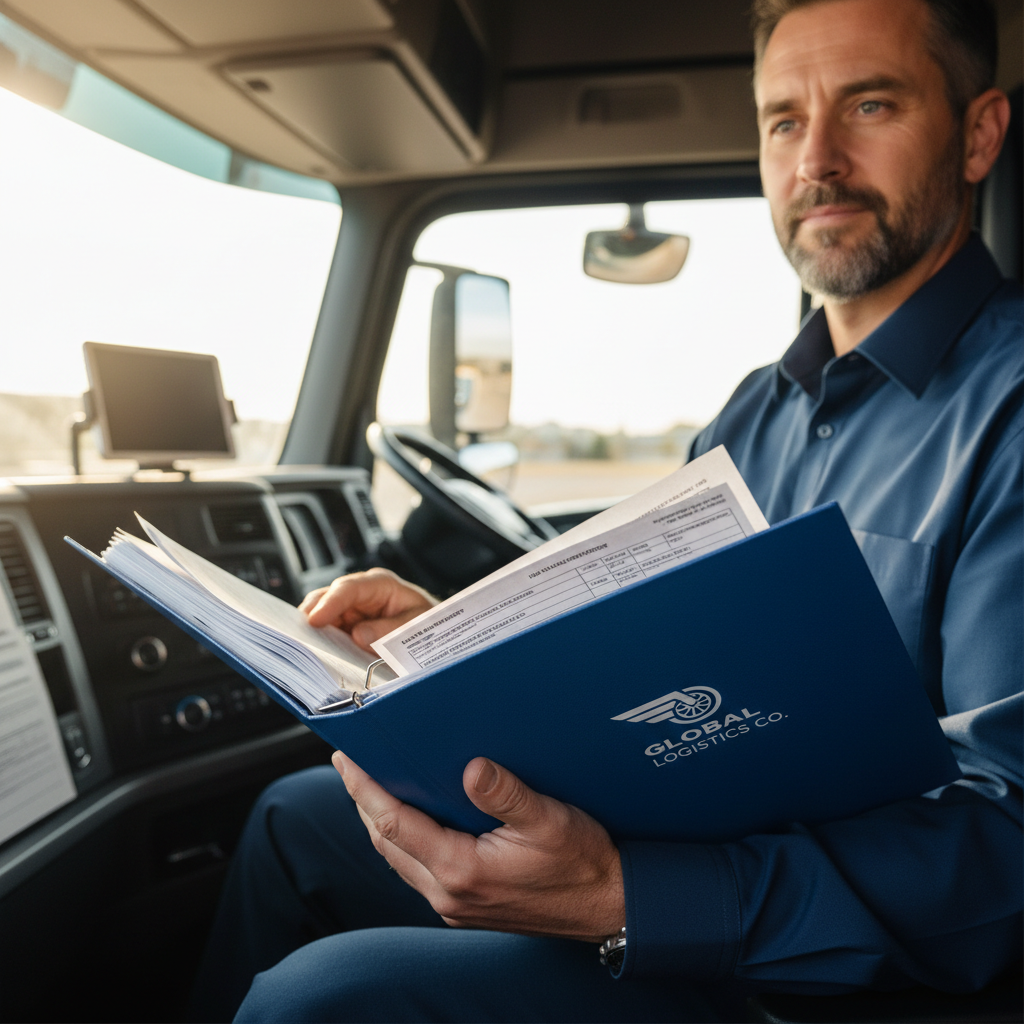
Local regulations often influence infrastructure development and route planning, directly impacting trucking safety. Authorities may implement specific routes for heavy trucks to minimize congestion and reduce the risk of accidents in densely populated areas. These routes are typically designed to accommodate the size and weight of large vehicles.
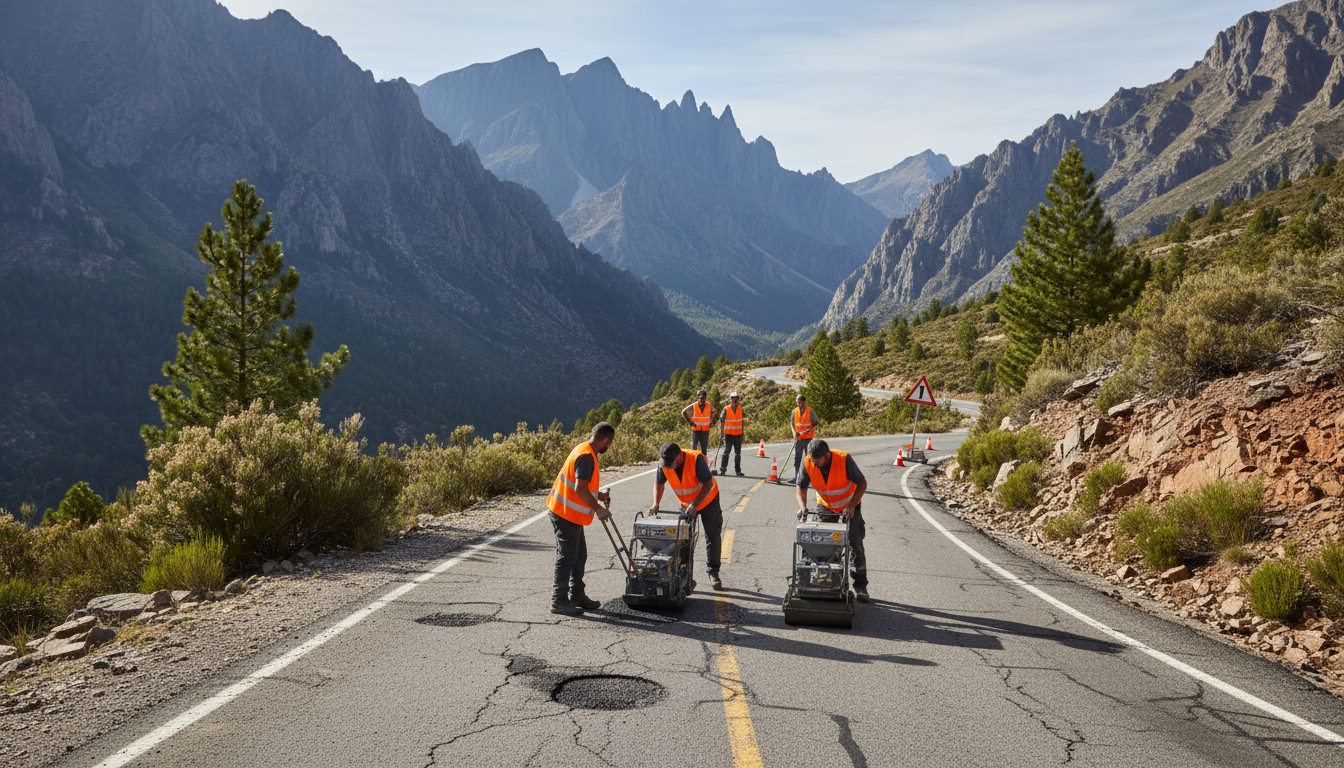
Investments in road infrastructure, such as widening lanes and improving signage, are also crucial in supporting safe trucking operations. Local governments work closely with transportation agencies to ensure that these improvements meet the demands of modern trucking.
Technology and Safety Innovations
Local regulations often encourage or mandate the use of technology to enhance trucking safety. This includes the installation of devices like Electronic Logging Devices (ELDs) to monitor driving hours, GPS for route optimization, and collision avoidance systems. These technologies help in maintaining compliance and reducing the risk of human error.
By staying updated with the latest technological advancements, trucking companies can not only comply with regulations but also improve their operational efficiency and safety records.
Collaboration and Compliance
Ensuring compliance with local regulations requires collaboration between trucking companies, drivers, and regulatory bodies. Regular audits and inspections are conducted to verify adherence to safety standards. Companies that prioritize compliance often experience fewer accidents and enjoy a better reputation in the industry.
In conclusion, local regulations significantly impact trucking safety in the United States by establishing standards and guidelines that protect all road users. By understanding and adhering to these regulations, the trucking industry can continue to operate efficiently while prioritizing safety.