How to Conduct a Thorough Truck Safety Inspection: A Step-by-Step Guide


Understanding the Importance of Truck Safety Inspections
Conducting regular truck safety inspections is crucial for ensuring the safety of drivers, cargo, and other road users. A thorough inspection helps identify potential issues before they become major problems, reducing the risk of accidents and costly repairs. By following a structured approach, you can maintain compliance with safety regulations and extend the lifespan of your vehicles.
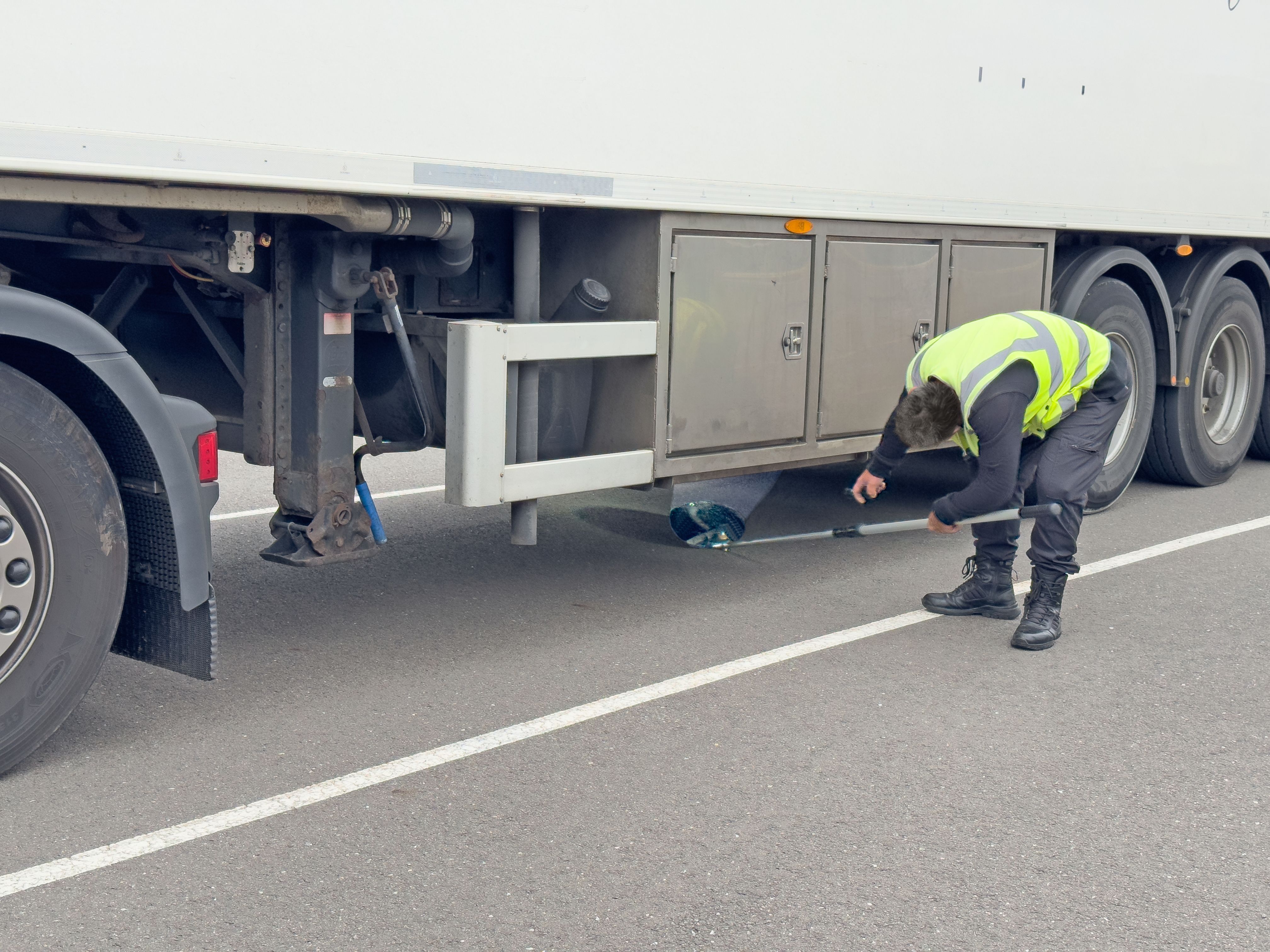
Preparation Before the Inspection
Before starting the inspection, gather all necessary tools and documentation. Ensure you have a checklist based on regulatory requirements and specific vehicle needs. It's also essential to review the truck's maintenance history to identify any recurring issues that might need special attention.
Gathering Tools and Documentation
Having the right tools on hand is crucial for an effective inspection. This includes items like a flashlight, tire pressure gauge, and brake pad measuring tool. Additionally, ensure you have access to the truck's service history and inspection checklist.

Exterior Inspection
Begin your inspection with the exterior of the truck. Check for any visible damage or wear and ensure that all lights and signals are functioning correctly. Pay special attention to the condition of the tires, looking for signs of wear or damage that could impact safety.
Checking Tires and Lights
Inspect each tire for proper inflation and tread depth. Uneven wear patterns can indicate alignment issues. Test all lights, including headlights, brake lights, and turn signals, to ensure they are operational and visible from a distance.

Under-the-Hood Inspection
The next step involves checking under the hood. This includes examining the engine, fluid levels, and battery. Ensure that all belts and hoses are in good condition and there are no leaks or unusual noises.
Fluid Levels and Battery Check
Verify that all fluids, such as oil, coolant, and brake fluid, are at appropriate levels and are not contaminated. Check the battery terminals for corrosion and ensure it holds a charge. Replacing worn-out components can prevent breakdowns on the road.

Interior Inspection
Inspect the truck's interior to ensure that all controls and safety features are functioning correctly. This includes checking the steering, brakes, and dashboard indicators. Make sure the driver's seat and seatbelt are in good condition for safe operation.
Testing Controls and Safety Features
Operate all controls to ensure they respond correctly. Pay attention to the brakes and steering for any signs of stiffness or delay. Ensure all dashboard indicators are working, as they provide critical information about the vehicle's condition.

Finalizing the Inspection
Once the inspection is complete, document all findings and address any issues that were identified. This documentation is essential for maintaining a record of the vehicle's condition and ensuring compliance with safety regulations. Regular inspections and timely repairs can significantly enhance the longevity and reliability of your truck fleet.
By following these steps, you ensure a comprehensive approach to truck safety inspections, keeping your vehicles in top condition and contributing to safer roads for everyone.