How to Prepare Your Fleet for Seasonal Challenges: A Trucking Safety Checklist


As the seasons change, trucking companies face unique challenges that require careful preparation and proactive measures. Ensuring that your fleet is ready for these changes is crucial for maintaining safety and efficiency on the road. This comprehensive safety checklist will help you prepare your fleet for seasonal challenges.
Vehicle Maintenance
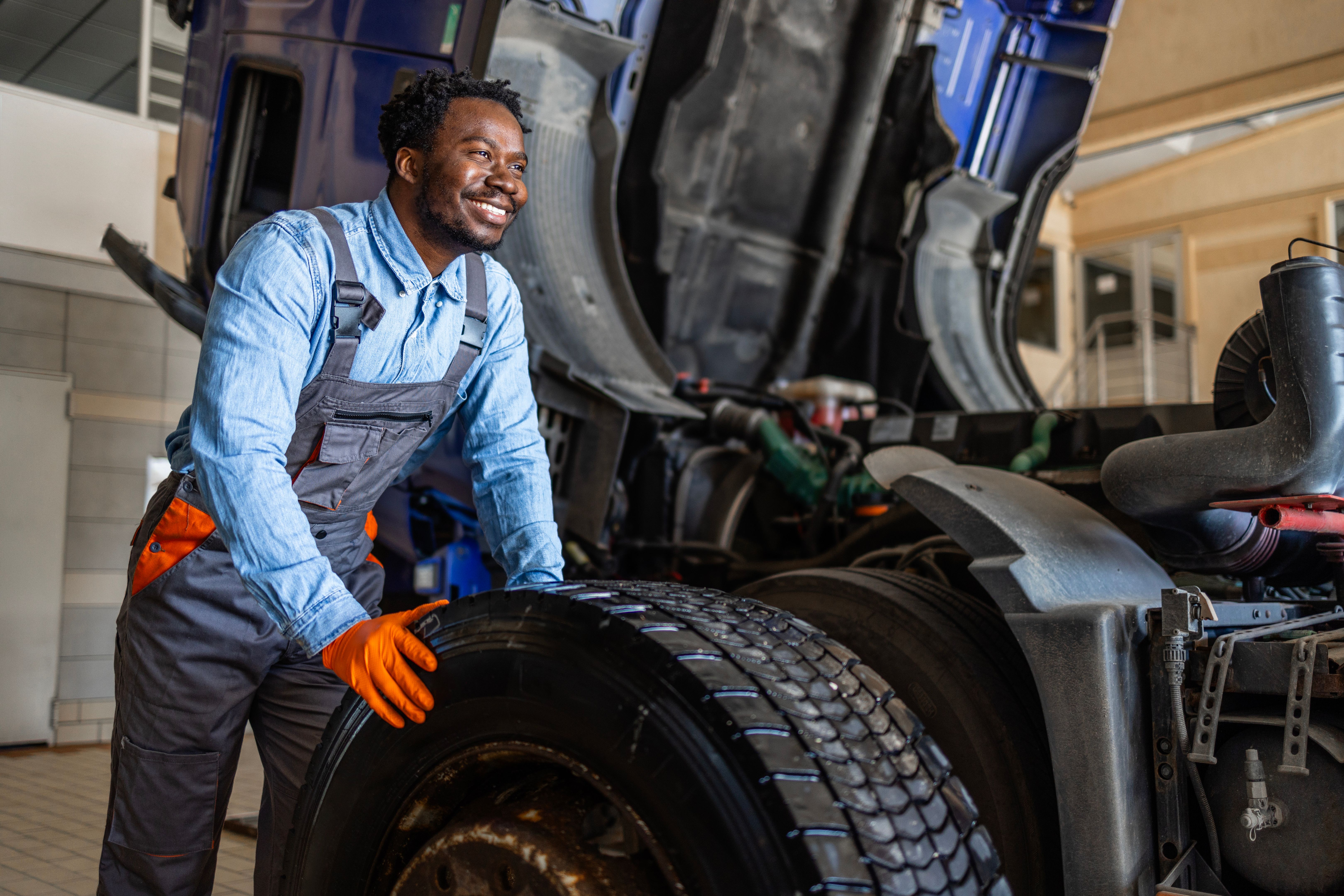
Regular vehicle maintenance is the first step in preparing your fleet for seasonal changes. It’s essential to perform thorough inspections and address any potential issues before they become serious problems. Focus on key components like brakes, tires, and fluid levels.
- Brakes: Check for wear and ensure proper function.
- Tires: Inspect tread depth and pressure, and consider switching to seasonal tires if necessary.
- Fluid Levels: Verify that oil, coolant, and other fluids are at optimal levels.
Weather-Related Adjustments
Each season brings its own set of weather conditions that can affect driving. Preparing for these changes is essential for maintaining safety.
Winter
Winter brings snow, ice, and cold temperatures. Equip your fleet with snow chains and ensure heaters and defrosters are in working condition. It’s also wise to keep emergency kits in each vehicle, including blankets, food, and water.
Summer
In summer, heat can affect tire pressure and engine performance. Ensure that the cooling systems are functioning correctly and that drivers are prepared to handle heat-related issues.

Driver Training
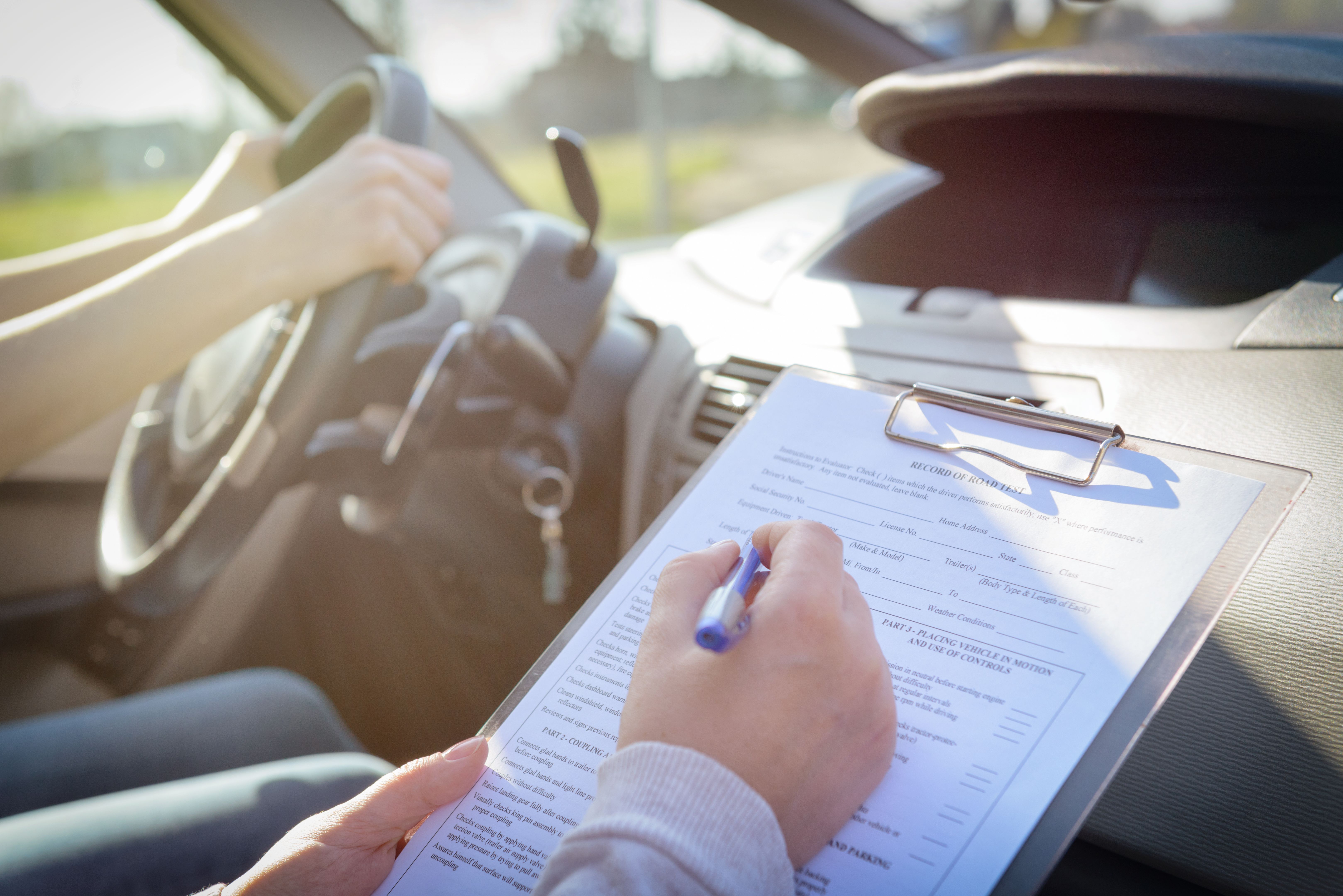
Drivers play a crucial role in navigating seasonal challenges. Providing ongoing training helps them stay informed about safe driving practices specific to each season.
- Defensive Driving: Teach techniques for handling adverse weather conditions.
- Emergency Protocols: Ensure drivers know what to do in case of breakdowns or accidents.
Regular workshops and safety drills can keep these skills sharp and top-of-mind.
Route Planning
Seasonal changes may require adjustments to regular routes. Evaluate potential weather-related hazards and plan alternative routes if necessary.
Consider using technology to monitor real-time traffic and weather updates, allowing for dynamic route adjustments. This proactive approach minimizes delays and enhances safety.
Communication Systems
Effective communication is vital for managing a fleet during seasonal changes. Ensure that all vehicles are equipped with reliable communication systems, allowing drivers and dispatchers to stay connected.
Regular communication helps address issues promptly and ensures that everyone is informed about changes in routes or weather conditions.

Preparing your fleet for seasonal challenges is a multifaceted process that involves maintenance, training, route planning, and effective communication. By following this comprehensive checklist, you can enhance safety, efficiency, and reliability, ensuring that your fleet is ready to tackle whatever the seasons may bring.