The Impact of Technology on Modern Trucking Safety


The Evolution of Trucking Safety
The trucking industry has undergone a remarkable transformation over the past few decades, with technology playing a pivotal role in enhancing safety standards. As the backbone of logistics and supply chain operations, trucking has embraced technological innovations to reduce accidents and improve overall safety on the road.
Technological advancements have introduced solutions that not only safeguard drivers but also protect other road users. From advanced driver-assistance systems to real-time monitoring, technology has reshaped the landscape of trucking safety.
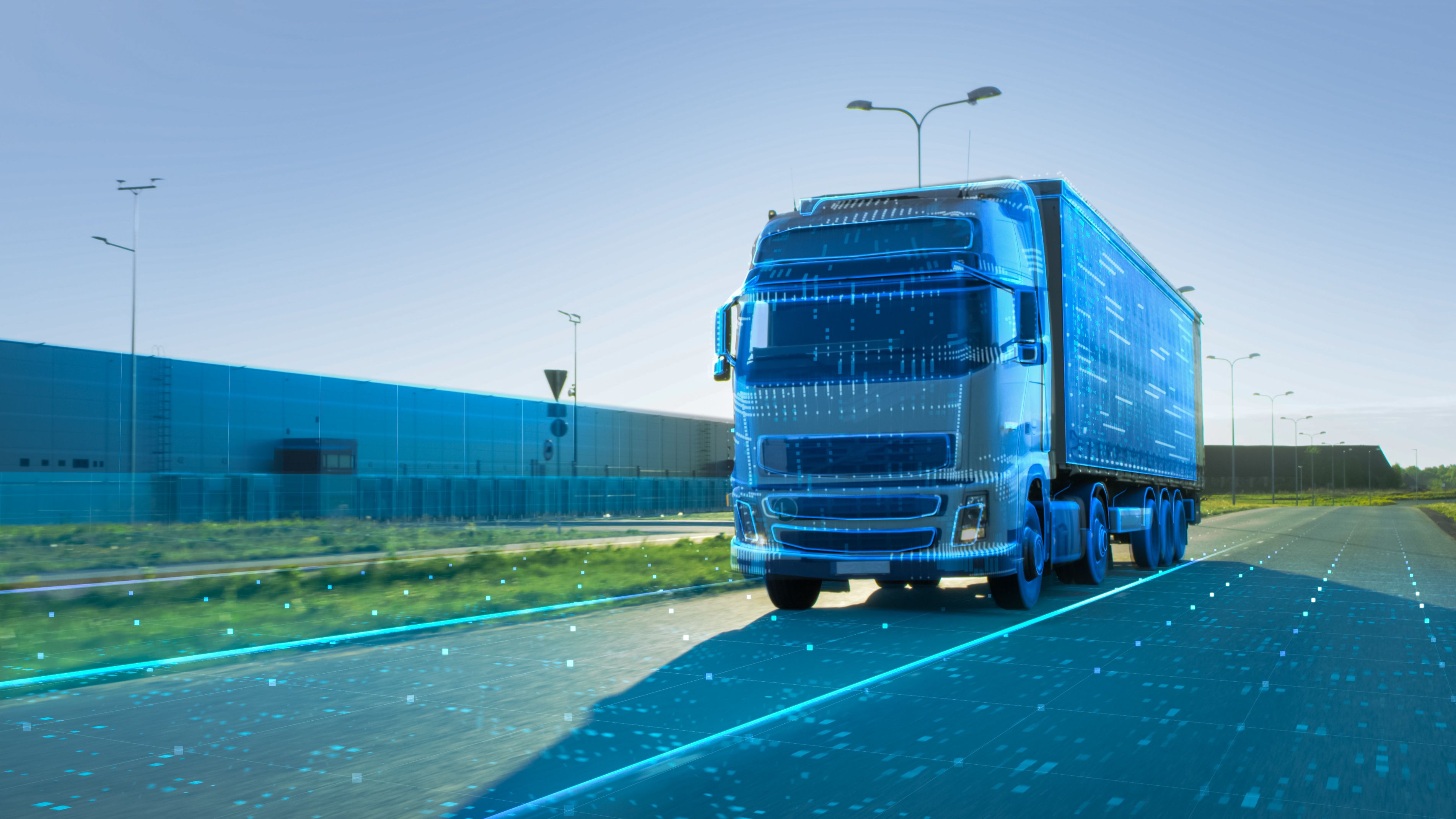
Advanced Driver-Assistance Systems (ADAS)
One of the most significant technological improvements in trucking safety is the implementation of Advanced Driver-Assistance Systems (ADAS). These systems use sensors and cameras to provide features like lane-keeping assistance, adaptive cruise control, and automatic emergency braking. By alerting drivers to potential hazards and even taking preventive actions, ADAS significantly reduces the likelihood of accidents.
These systems not only enhance driver reaction times but also help in maintaining a safe distance between vehicles. As a result, ADAS contributes to a safer driving environment for everyone on the road.
Telematics and Real-Time Monitoring
Telematics has become an integral part of modern trucking operations. By combining GPS technology with onboard diagnostics, telematics systems provide real-time data about a vehicle's location, speed, and performance. This information is crucial for fleet managers to monitor driver behavior and ensure compliance with safety regulations.

Real-time monitoring allows for quick responses to potential issues, such as unauthorized route deviations or excessive speeding. By analyzing data trends, companies can implement targeted training programs to address specific safety concerns, thereby reducing the risk of accidents.
Driver Fatigue Monitoring
Driver fatigue is a significant concern in the trucking industry, often leading to dangerous situations on the road. Technology has stepped in to address this issue through fatigue monitoring systems. These systems use cameras and sensors to detect signs of drowsiness, such as prolonged eye closure or erratic steering patterns.
When fatigue is detected, the system can alert the driver and suggest taking a break. This proactive approach helps prevent accidents caused by drowsy driving, ensuring the safety of both the driver and other motorists.

Enhanced Communication Systems
Modern trucking safety is also enhanced by improved communication systems. With the advent of mobile applications and satellite communication, truck drivers can now stay connected with their dispatch centers and receive real-time updates about traffic conditions, weather alerts, and route changes.
These communication tools enable drivers to make informed decisions, avoid hazardous routes, and reach their destinations safely. The ability to communicate effectively also ensures that help can be dispatched quickly in case of emergencies.
The Future of Trucking Safety
As technology continues to evolve, the future of trucking safety looks promising. Innovations such as autonomous trucks and vehicle-to-everything (V2X) communication are on the horizon, promising to further enhance safety standards. These advancements hold the potential to revolutionize the trucking industry by minimizing human error and maximizing efficiency.
In conclusion, the impact of technology on modern trucking safety is profound. By embracing these innovations, the industry not only protects its drivers but also contributes to safer roads for all. As we look to the future, continued investment in technology will be key to maintaining and improving safety standards in the trucking sector.