Understanding Regional Weather Impacts on Trucking Safety


Introduction to Regional Weather Challenges
Trucking safety is a critical component of the logistics industry, and understanding the impact of regional weather conditions is essential for drivers and fleet managers. Weather can affect road conditions, visibility, and vehicle performance, making it crucial to adjust operations accordingly.
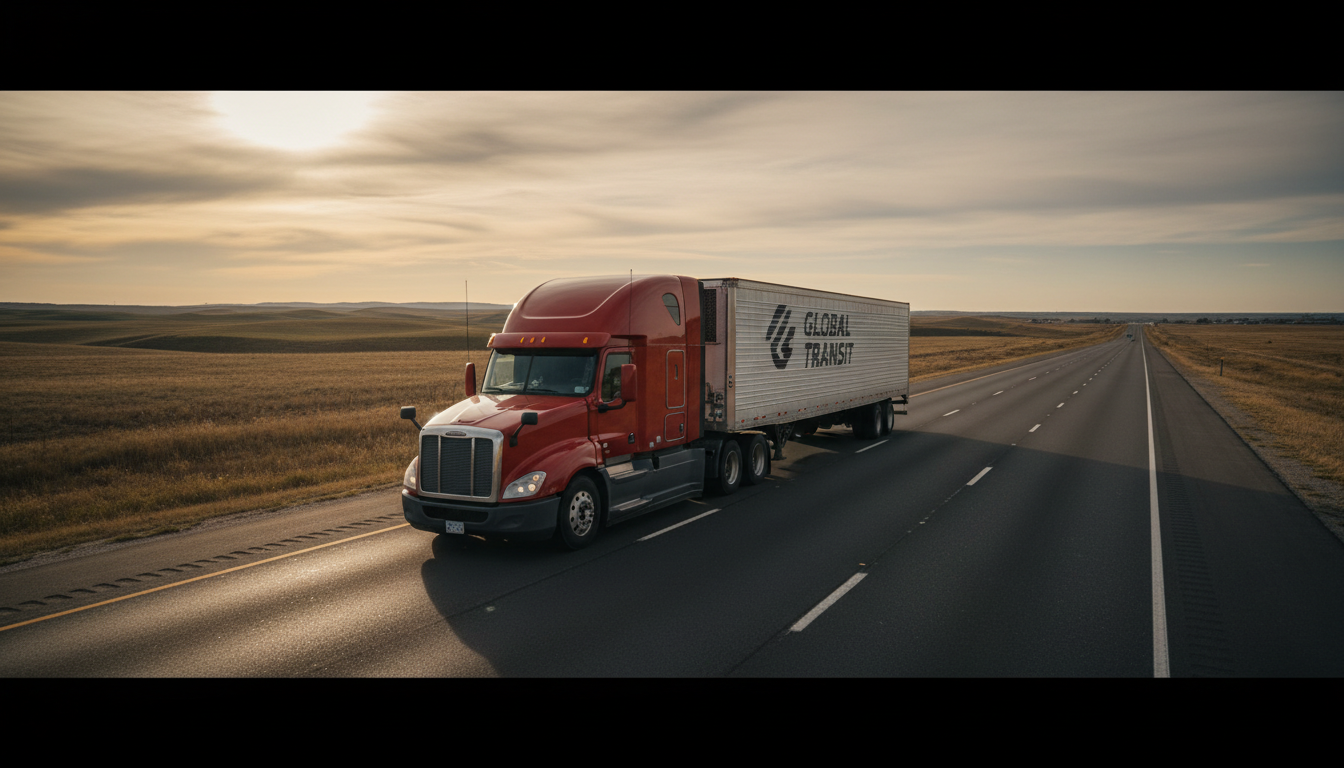
Snow and Ice in Northern Regions
In northern regions, snow and ice pose significant risks to trucking safety. Slippery roads can lead to reduced traction, making it difficult to control large vehicles. Drivers must be prepared with chains or winter tires and should be trained to handle these conditions.
Additionally, the accumulation of ice on windshields and mirrors can impair visibility. Regular checks and maintenance are crucial to ensure that the defrosting systems are functioning correctly.
Heavy Rainfall and Flooding in Coastal Areas
Coastal areas often experience heavy rainfall and flooding, which can lead to dangerous driving conditions. Hydroplaning is a major concern, as water on the road reduces tire grip. Drivers should reduce speed and maintain a safe distance from other vehicles to mitigate this risk.

Flooded roads can be deceptive, and it's important for drivers to avoid attempting to cross deep waters. Understanding local weather forecasts and having an alternative route plan can prevent unnecessary risks.
Desert Heat and Dust Storms
In desert regions, extreme heat and dust storms are common challenges. High temperatures can affect tire pressure and engine performance, so regular inspections are necessary. Drivers should ensure that cooling systems are in good working order to prevent overheating.
Dust storms can severely limit visibility. It is advisable to pull over and wait for conditions to improve if caught in a storm. Keeping windows closed and air conditioning running can help maintain clear visibility inside the vehicle.
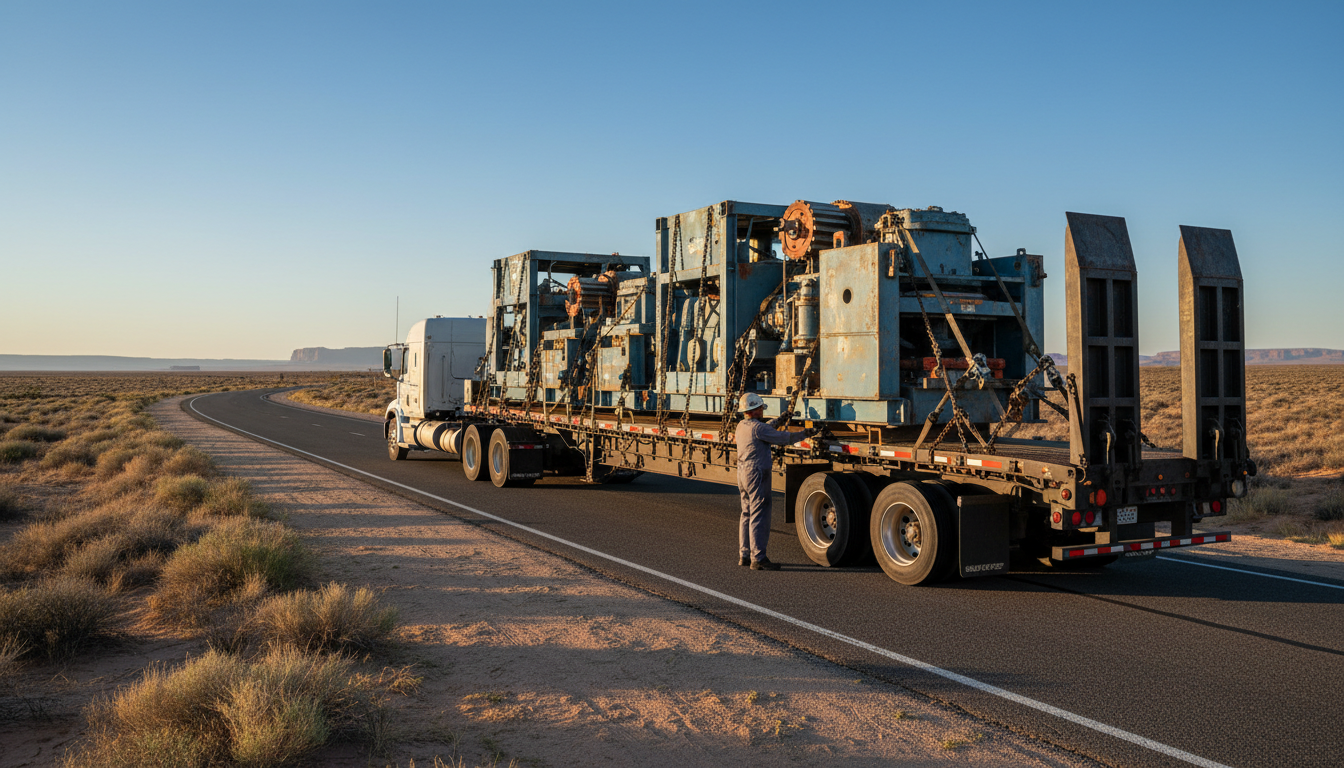
Mountainous Terrain and Weather Variability
Mountainous areas present unique weather challenges, including sudden temperature changes and unpredictable storms. Drivers must be particularly cautious about fog and steep inclines, which can affect visibility and control.
Using lower gears on steep descents and maintaining a safe speed can help prevent accidents. It's also wise to monitor weather reports for sudden changes that may affect travel plans.
Implementing Safety Measures
To enhance safety across different regions, trucking companies should implement comprehensive weather preparedness programs. These may include:
- Regular training sessions for drivers on handling various weather conditions.
- Equipping vehicles with necessary tools such as GPS and weather monitoring systems.
- Creating emergency plans for unexpected weather events.
By understanding and preparing for regional weather impacts, the trucking industry can significantly improve safety and efficiency on the roads.