Understanding U.S. Trucking Regulations: What Fleet Managers Need to Know


The U.S. trucking industry plays a crucial role in the nation's economy, transporting goods across millions of miles each year. Understanding the regulations governing this industry is essential for fleet managers who are responsible for ensuring compliance and maintaining efficient operations.
Federal Motor Carrier Safety Administration (FMCSA) Regulations
The FMCSA is the primary governing body for trucking regulations in the United States. They establish rules to ensure safety on the roads and regulate aspects such as driver qualifications, hours of service, and vehicle maintenance. Fleet managers need to be familiar with these rules to avoid penalties and maintain a high standard of safety.
One critical aspect of FMCSA regulations is the Hours of Service (HOS) rules. These regulations limit the number of hours a driver can operate a vehicle without taking a break. Compliance with HOS rules helps prevent driver fatigue, which is a leading cause of accidents.

Electronic Logging Devices (ELDs)
In recent years, the adoption of Electronic Logging Devices (ELDs) has become mandatory. ELDs automatically track driving time and ensure compliance with HOS regulations. Fleet managers must ensure that their vehicles are equipped with certified ELDs and that drivers are trained in their use.
ELDs not only help in maintaining compliance but also provide valuable data insights. Fleet managers can analyze this data to optimize routes, improve fuel efficiency, and enhance overall operational efficiency.

Vehicle Maintenance and Inspections
Regular vehicle maintenance and inspections are critical components of trucking regulations. The FMCSA requires fleet managers to conduct routine inspections and maintain records of all maintenance activities. This ensures that vehicles are safe and in good working condition, reducing the risk of accidents.
Fleet managers should implement a comprehensive maintenance schedule and utilize technology to track and manage maintenance activities efficiently. This proactive approach can significantly reduce downtime and improve vehicle reliability.

Driver Qualifications and Training
Ensuring that drivers meet the necessary qualifications and receive proper training is another vital responsibility for fleet managers. The FMCSA has established specific requirements for commercial driver's licenses (CDLs) and endorsements for certain types of cargo.
Ongoing training and education programs can help drivers stay updated on the latest safety practices and regulatory changes. Investing in driver training not only enhances safety but also boosts driver morale and retention.
State Regulations and Compliance
In addition to federal regulations, fleet managers must also be aware of state-specific rules. Each state may have additional requirements regarding weight limits, permits, and environmental regulations. Staying informed about these variations is crucial for ensuring full compliance.
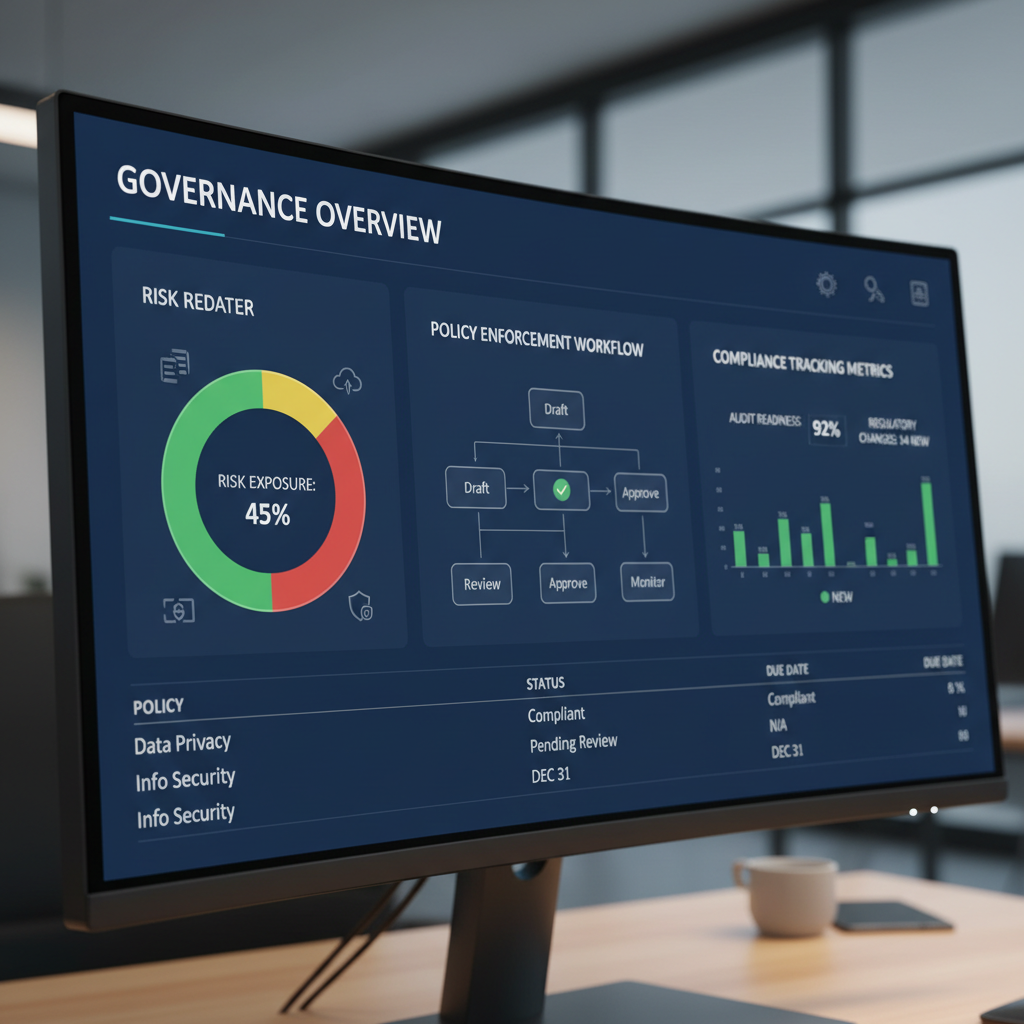
Utilizing compliance management software can be beneficial in tracking and managing these regulations. Such tools can automate the process of monitoring changes and ensure that fleet operations remain aligned with both federal and state laws.
Understanding and adhering to U.S. trucking regulations is vital for fleet managers aiming to maintain safe, efficient, and compliant operations. By staying informed and leveraging technology, fleet managers can effectively navigate the complexities of the trucking industry and contribute to overall road safety.